
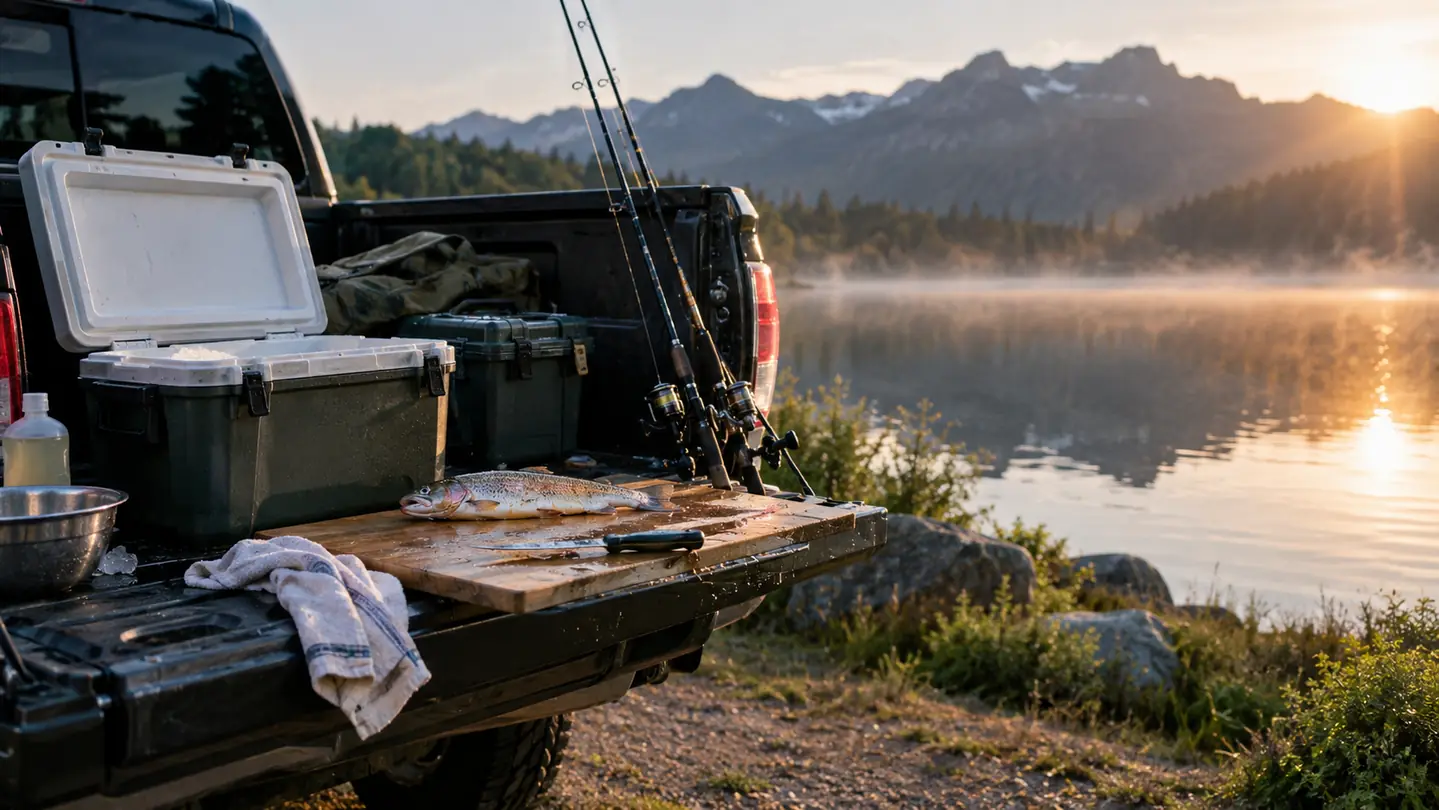
I picked up the Bubba Pro Series electric fillet knife back in March, and I will not pretend I bought it because I needed it. I bought it because the corded electric knife that came with my brother's old boat quit in the middle of a limit of trout, and I had been fighting that knife for two seasons. The cord kinked, the motor whined, and the blade flexed exactly wrong when I needed it straight. It finally gave up on a Saturday in April on the bank of the Weber River, and I stood at the tailgate making a decision. I fish enough weekends that a good tool earns the space it takes in the truck. The real question was whether the best selling electric fillet knife on Amazon is a real tool, or just a popular one.
Six months later that same Bubba has filleted somewhere north of 140 fish. Rainbow and brown trout from the Weber and the Ogden rivers, smallmouth bass from Willard Bay, the occasional walleye, and a pile of bluegill I stopped counting back in June. That knife has been rained on, splashed with slime, dropped once onto gravel, and left in a wet crate one night when I was too tired to care. It started this morning exactly the way it started in April, and it still cuts the way it did on day one. That is the headline. The headline is not the whole story, though, and there are three or four things I wish somebody had told me before I spent my own money. You get those next, the way I would hand them across a tailgate.
The Quick Verdict
After six months and roughly 140 fish, the Bubba Pro Series lithium ion fillet knife is the tool I reach for first at the cleaning table. The battery has never quit on a trip I needed it to finish, and the blade still starts clean. It is heavier than it looks, it costs real money, and it is overkill for panfish. For anybody who cleans limits of real fish most weekends, it earns its place in the truck.
Amazon Check Today's Price →The knife I grab first after 140 fish
The short version: after six months and about 140 fish, I reach for the Bubba before anything else at the cleaning table. The longer version is below, including the parts that are not all praise. If you already know you are in the market for an electric fillet knife, the current price on Amazon is one click away.
Amazon Check Today's Price on Amazon →How I've Used It
For six months the knife has lived in its hard sided case behind the seat of my 2016 Tundra, which means it has traveled every washboard road between Ogden and the water. In all that bouncing, the case has never popped open on its own. The knife goes on most of my trips, and it comes out of the case whenever there are fish to clean at the end of the day. That is usually a tailgate, a plastic folding table, or the lid of a cooler, with a spray bottle of water within reach. This is not a knife that waits for a special occasion. It is the standard tool.
The job has not changed. Cut behind the gills, slide the blade along the backbone to the tail, lift the fillet, then skin it. What changed is the effort. I do not have to bear down on the handle or put my weight behind the cut. The knife feeds itself down the spine and through the ribs, and it cuts on the pull stroke too, not just the push. After a limit of sixteen inch trout my forearm used to know it. With the Bubba, I can clean the same fish and still have energy to deal with the cooler, the rods, and the rest of the camp chores. That one difference is the entire reason to own an electric knife.
One honest note before I sound like a commercial. For bluegill and little panfish I still reach for a manual blade about half the time. It is faster to just make one clean cut than to fire up a motor for a six inch fish. The value of an electric knife shows up on the fish that fight: trout over fourteen inches, bass and walleye over sixteen, anything with ribs that want to grab a manual edge. If you only keep panfish, keep reading, because the last section tells you to save your money.
What Six Months Does to a Blade and a Motor
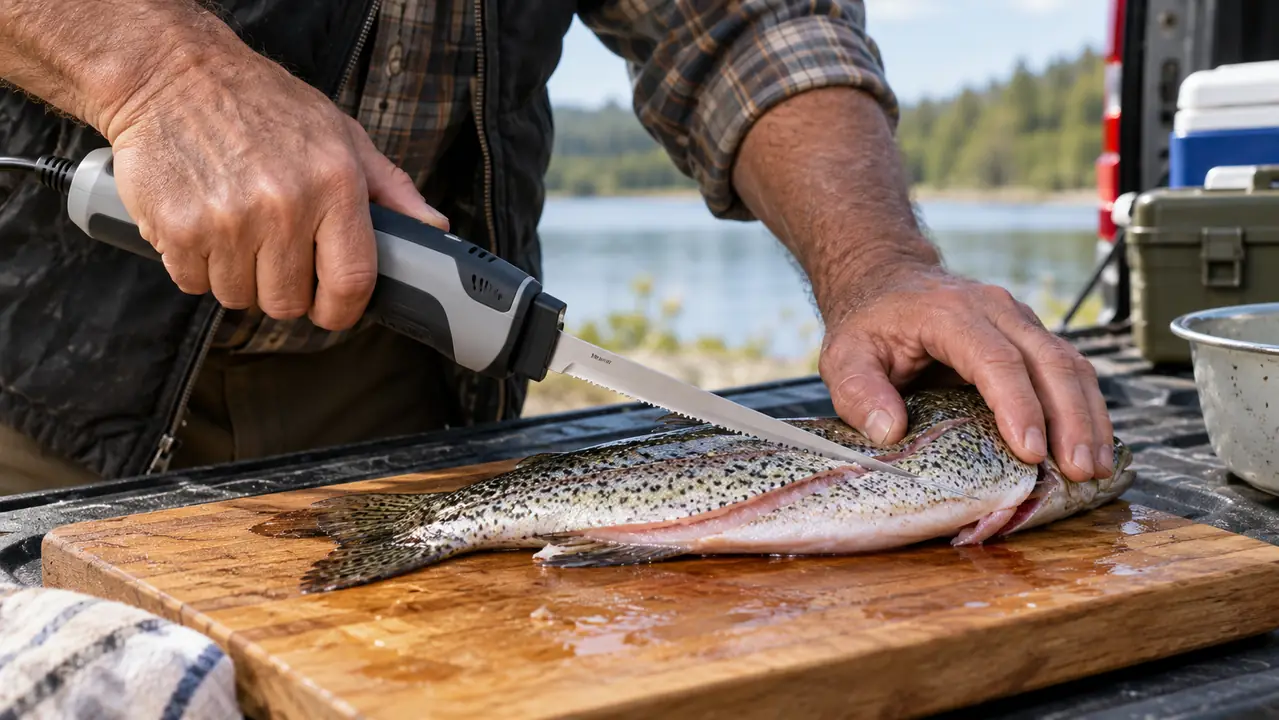
I have owned enough cheap electric knives to know exactly how they fail. The motor slows, the blade goes dull after two or three fish, and by the end of the season the switch feels gritty. The Bubba has not done any of that. The motor has run the same from the first fish to the most recent. The blade still starts a cut without sawing back and forth, and in six months I have touched it up twice on a fine stone. That is less maintenance than my favorite manual fillet blade gets in a normal season.
What impresses me more is the blade's balance of stiff and flexible. It holds a straight line through the ribs and the collar without skipping, yet the tip still follows the underside of the skin without gouging the meat. On a walleye with a bony belly, I can feel the tip tracking the skin as it should. On a thick shouldered bass, the knife makes the long cut down the back without me pushing. When I clean fish next to a buddy using a manual knife, I am usually two fillets ahead by the time he finishes his first. That is not me bragging. It is just the math of a blade that cuts in both directions.
Sharpening is a subject nobody mentions in reviews, so here is the short version. The edge does not need constant attention, but it does need a light touch when it finally slows down. I use a fine stone and keep the same angle the factory set, a few strokes per side, and that is it. A heavy hand on a sharpener will ruin a good blade faster than a season of fish will.
Battery Life, Cold Mornings, and Charging Habits
The first question at every cleaning table is how long the charge lasts. In six months I have never killed the battery in a single day of fishing. A normal day is ten to twenty fish, and when I am done there is still enough charge that I do not worry about the next trip. I generally charge it the night before, the way you would any tool, but I have also forgotten and run it on the leftover charge from the previous trip without a problem. I get somewhere in the neighborhood of two hours of actual trigger time on a charge, and I have yet to need more than that in one sitting.
Cold mornings are the real test. I have been out at first light in late spring when the grass was white, and the knife fired up instantly with the same response it has in July. There is no weak first minute while the battery warms up. The trigger has a positive feel with no dead zone at the start, and the motor comes up to speed fast. The only habit I have added is to charge at home rather than in the truck, because the charger is not something I want bouncing around the bed. Small thing, but small habits are what keep a tool alive for years.
Cleaning and Care: Where Electric Knives Usually Die
Most electric fillet knives do not die from overwork. They die from bad cleaning. Water gets into the housing, scale dries in the blade channel, and a year later the switch feels terrible. The way I clean the Bubba is the same every time, and I think it is half the reason mine is still running like new. I rinse the blade and the nose of the knife with a light spray, dry it with a towel right away, and never soak the handle or run it under a faucet. Then I set it somewhere to air out completely before it goes back in the case.
The mistake I see other guys make is leaving an electric knife on the table while they deal with the rest of the catch, letting the mess dry on the blade and the trigger. This knife's grip is comfortable wet or dry, but I do not test it. Two minutes of cleaning at the end of a trip has kept the blade channel free of crud and the trigger smooth. The one time I left it dirty overnight, the blade stuck a little the next morning until I cleaned it. That was my fault. But it tells you the tool expects a little respect.
Electric Versus Manual: Which One I Reach For
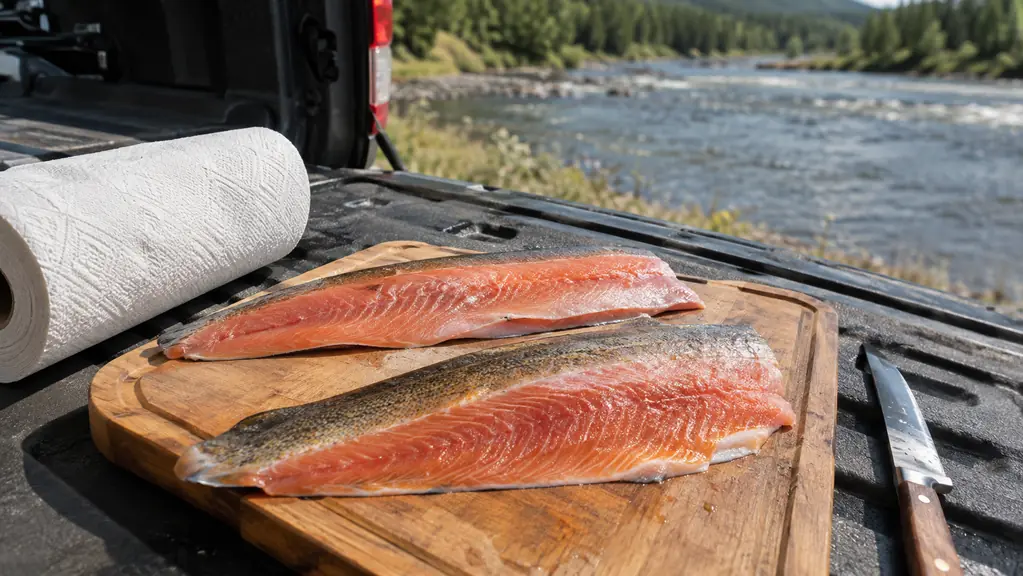
The honest alternative to the Bubba is not another electric knife. It is a good manual fillet knife. I keep a manual blade in the truck as backup, and on light days it wins on weight, noise, and simplicity. A manual knife never needs a charge, never has a switch to go bad, and never makes you explain to your fishing buddy why the fancy blade will not start. For somebody who cleans ten fish a month, the manual knife is genuinely the better tool.
Where the manual knife loses is on volume and on hands. A manual blade is a joy for the first ten fish and a tax after that. I am 58 years old and spent 22 years turning wrenches, so my hands have opinions about repetitive work. The Bubba puts the cutting effort on the motor and keeps it off my hands. That is the real reason it stays in the truck, and it is the reason I will buy replacement blades without complaining too much about the cost.
What I Still Do Not Love
Now the part I promised. First, the weight. The battery and motor make the handle heavier than it looks in the listing photos, and after a long session your wrist knows it. The weight is part of why the blade cuts with so little downward pressure, so it is a trade, but you should know it before you buy. Second, the total cost adds up. The knife is not cheap and neither are replacement blades, and you will eventually want a spare. Third, it is overkill for a light season. If you clean a dozen fish a year, you are paying for capability you will never use.
Would I buy it again knowing all this? Yes, and I would buy it before the season even started. The alternative is going back to a corded knife or wearing out my hands on a manual blade. Some tools are nice to own. This one does a job I used to do the hard way, and it does it every single weekend without making excuses.
What I Liked
- Motor and switch have not changed a bit in six months of hard use
- One full charge has covered every day of fishing I have put it through
- Blade cuts on the pull as well as the push, so fillets go fast
- Grip stays secure when wet, on a wet table, in cold weather
- Stiff enough through the ribs, flexible enough at the tip for clean skinning
Where It Falls Short
- Noticeably heavier than it looks, and your wrist feels a long session
- Cost of the knife and the replacement blades adds up over time
- Overkill for panfish and small stocked trout
- Needs deliberate care after every trip or the blade channel gets sticky
The motor has not slowed, the blade still starts clean, and the knife has outlasted every corded electric fillet knife I have ever owned. That is the whole review in one sentence.
Who This Is For
Buy the Bubba if you clean fish most weekends from spring through fall, if your cleaning station is a tailgate rather than a kitchen counter, and if your hands let you know when you have pushed them. This is the tool for the person who brings home limits, not the one who keeps a single fish for dinner once a month. It is also the tool for anyone over about fifty whose grip starts complaining halfway through a good day. That is the group this knife actually serves, and I say that as a card carrying member.
It also belongs in the rig of anyone who fishes hard on public land and needs gear that shrugs off a bumpy road and a soaking. If that sounds like your season, the Bubba is worth a hard look.
Who Should Skip It
Skip the Bubba if you fillet maybe a dozen fish a year, or if most of what you keep is under twelve inches. A manual fillet knife is lighter, quieter, and cheaper, and it never needs a charge. Skip it too if you are the kind of person who will not spend two minutes drying a tool before it goes back in the case. An electric knife demands that much. And if you are on a tight budget and your current knife still gets the job done, there is no shame in running it until it does not. This is an upgrade for a working knife, not a first knife.
Bottom line after six months and 140 fish
The Bubba has earned its place behind the seat of my truck. It still starts, it still cuts, and I still reach for it first at the end of a good day. It is not light and it is not cheap, but neither is any tool you will own for a decade. See today's price on Amazon and decide if it earns space in your rig.
Amazon Check Today's Price on Amazon →