
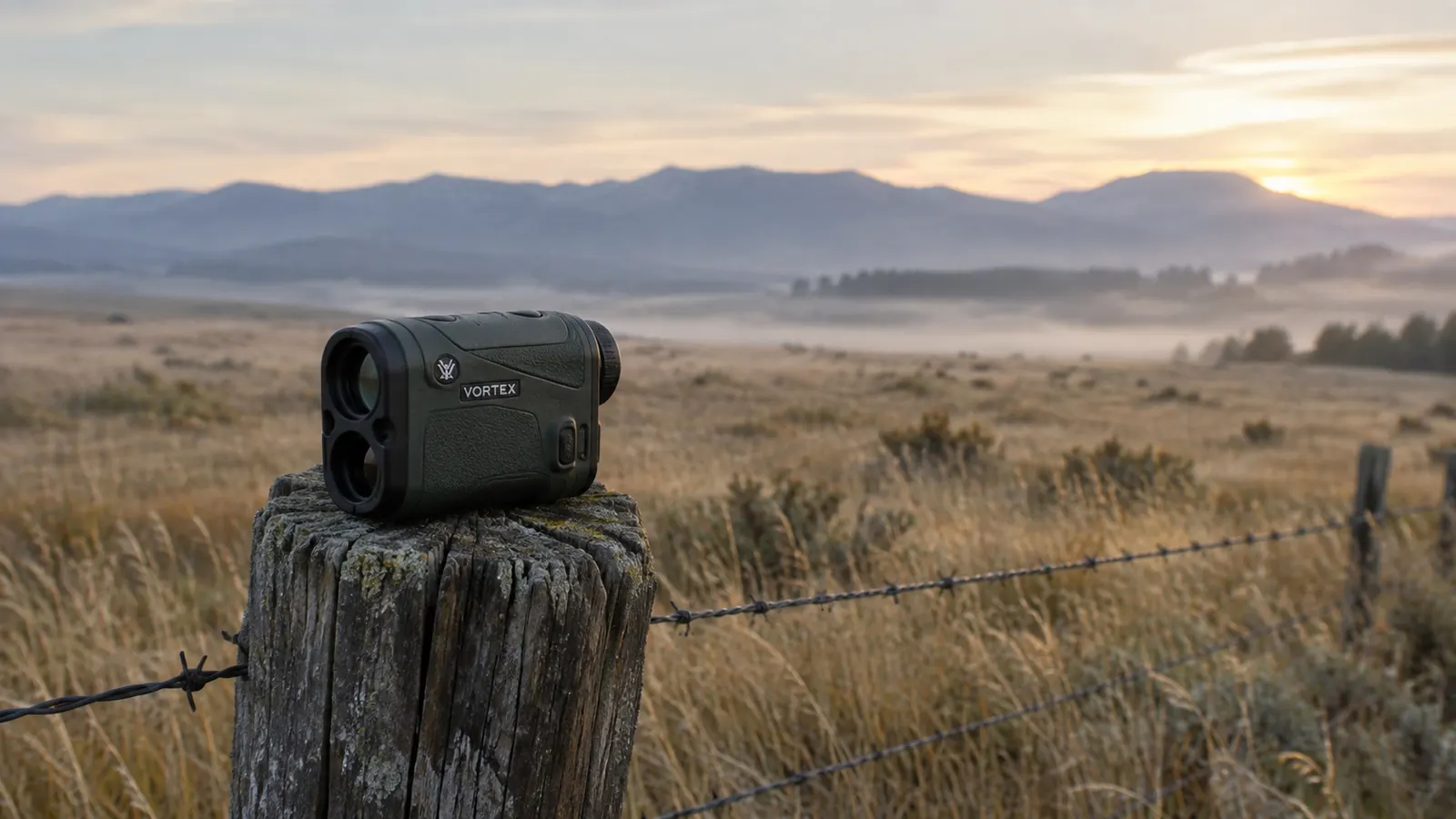
A rangefinder is the kind of gear you do not fully appreciate until you have a reason to need one. My reason came on a late October morning when a mule deer buck stepped out at the far edge of a sage flat. I guessed the distance at 280 yards. The ground between us, measured after the whole thing went wrong, said 340. I held for 280, the bullet went under his chest, and he was gone over the ridge before I could chamber another round. That miss had nothing to do with my rifle and everything to do with my eyes.
I bought the TIDEWE Hunting Rangefinder two seasons ago, mostly out of frustration with myself. It rides in the door pocket of my 2016 Tundra or on a chest rig when I am on foot, and it has ranged everything from a legal elk at 600 yards to a fence post I was curious about. This is the list of reasons it has earned that spot, in the order they matter to a guy who hunts public land.
Know the Distance Before You Decide to Shoot
One honest number before the shot beats a guess after it. I have carried the TIDEWE for two seasons and it has not let me down.
Amazon Check Today's Price on Amazon →You Quit Guessing the Distance That Decides the Shot
The morning that sold me came on a rifle deer hunt in October. A buck crossed a draw and stopped at 218 yards, according to the TIDEWE. My gut, after more than twenty years in these mountains, said 170. Forty-eight yards is not a huge error on flat ground, but it is plenty on a slope, and it is the difference between a clean kill and a long, bad afternoon. I have not guessed a distance since, and I have not missed an animal long because of range since either.
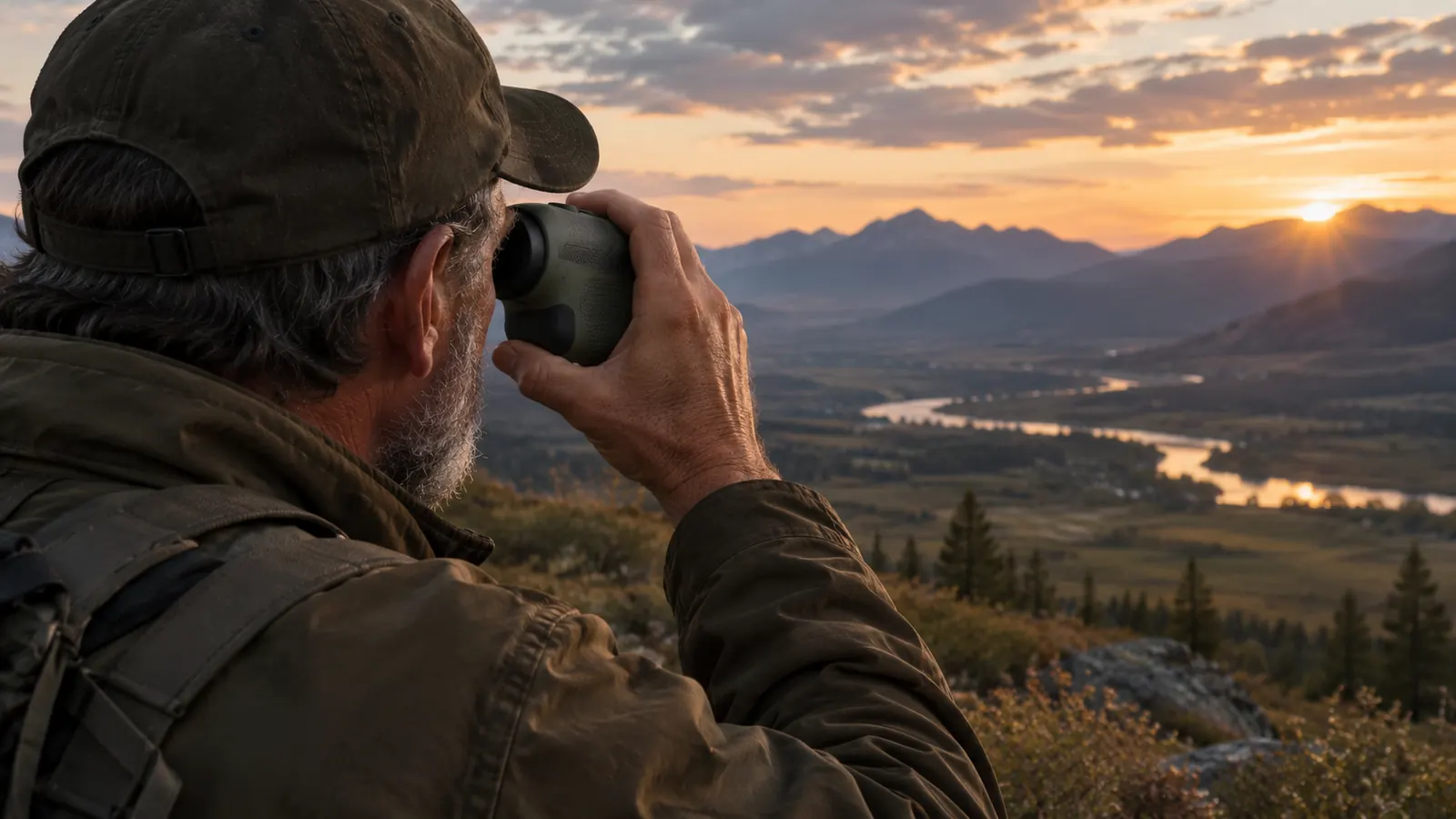
Seven Hundred Yards of Reach Covers Every Shot I Take on Public Land
The box says this TIDEWE reads out to 700 yards on a deer-sized animal and further on reflective targets. I will be honest: I have never needed 700. The longest shot I have taken in Utah was just past 400. But the extra reach matters in a different way. It means the unit is not working at its limit when I range a buck at 300. Cheap rangefinders get lazy at the far end of their range. This one stays steady where I actually shoot.
You Can Read the Number at Dawn and Dusk, When Deer Actually Move
Deer and elk move at first light and last light, which is exactly when most rangefinders turn into dark plastic you cannot read. The TIDEWE display stays bright enough to read in low light. I ranged a buck 45 minutes before sunrise last October and read the number without cupping my hand around the eyepiece. A rangefinder you can only read in full sun is a toy for most of the season. The TIDEWE does not have that problem. In the low light where I hunt, the reading is there when I need it.
It Survives the Bed of My Truck, Not Just the Display Case
My 2016 Tundra has 190,000 miles on it, and the bed has carried firewood, wet decoys, and probably half of Ogden in gravel. Gear that cannot survive being thrown in there does not last long in my life. The TIDEWE has bounced around that bed for two seasons, through elk camp and a wet rifle hunt, and it still powers on and reads true. I do not treat it gently, and it has not complained once.
The Rechargeable Battery Kills the Dead-Unit-in-October Problem
My old rangefinder ate little disc batteries, and it always seemed to go flat on the second morning of the hunt, when the nearest store was an hour away. The TIDEWE charges with a cable, the same kind I already keep in the truck, and one charge has lasted me a full season of hunting and scouting. When it gets low, I plug it in on the drive home. A rangefinder with a dead battery is just a heavy lump of plastic in your pocket. Mine went dead every single October. This one does not.
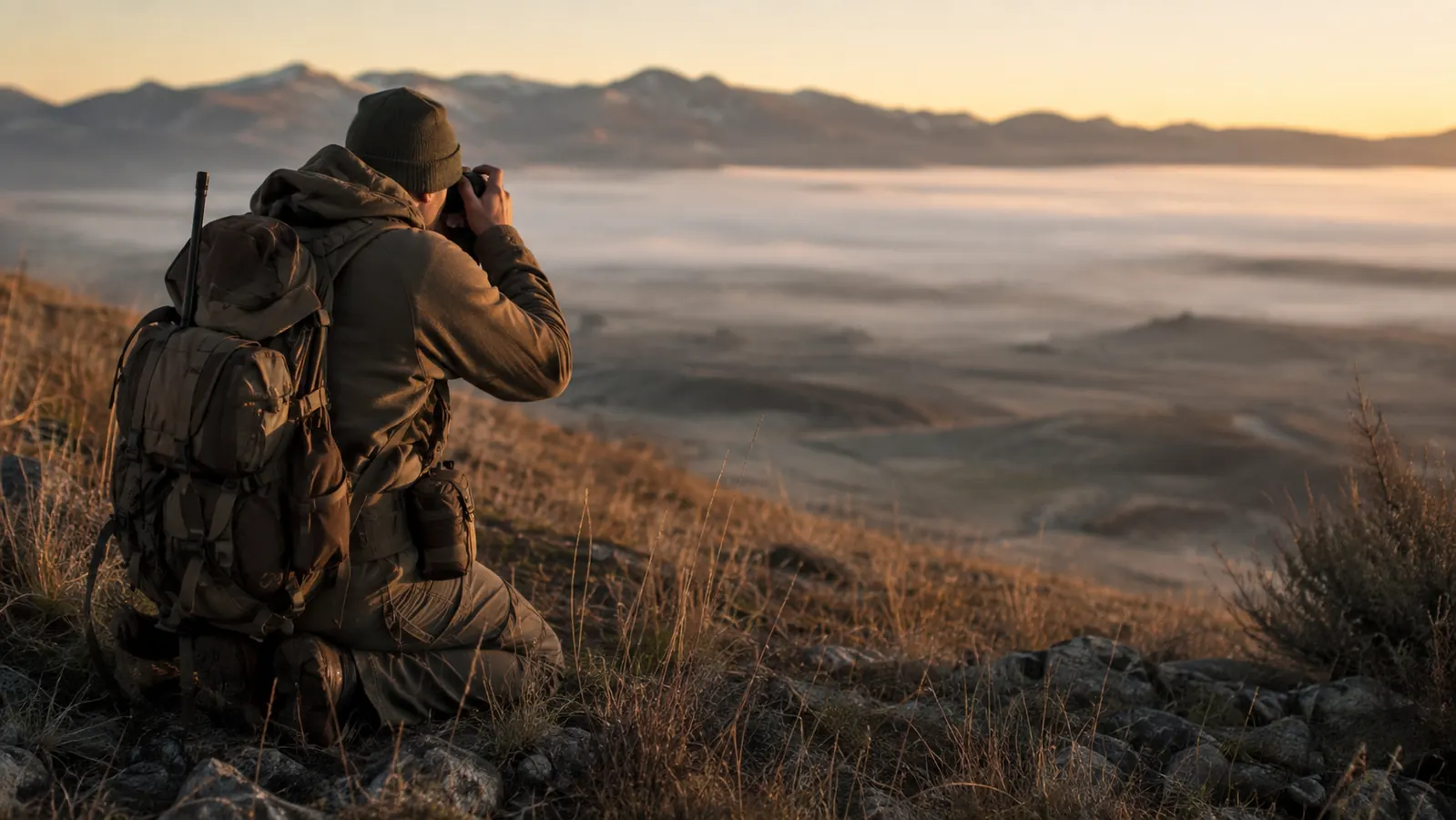
It Keeps Me From Taking Shots I Should Not Take
The real reason a rangefinder improves accuracy is that it removes the temptation to talk yourself into a shot. On a slope, distances look shorter than they are. A buck that looks like 250 yards can easily be 320. With the TIDEWE, I know what the distance is before I settle in, and I know my limit. I have passed on more bucks in the last two seasons, and I have also recovered every animal I shot at. I consider that a fair trade.
It Makes My Archery Elk Setup Honest
September archery elk is where guessing hurts the most. A bull can look like he is 40 yards away when he is really 54, and 14 yards is an enormous error with a bow. I range the landmarks in a meadow before I ever set up: this stump is 30, that log is 42, the far edge is 60. When a bull steps out, I already know which number to trust. The TIDEWE does that for me in seconds, and it keeps me from rushing a shot that is longer than it looks.
It Turns a New Drainage Into Country You Already Know
Hunters who work the same ridge for years can judge distance by memory. I do not have that luxury on public land, where a new drainage every season is normal. The TIDEWE lets me range the canyon across from me, the lone pine on the skyline, and the far ridgeline, and build a mental map before the animals ever move. By the time the season opens, I have already ranged every shooting lane I plan to use. That planning is half the hunt, and it goes faster when a rangefinder rides on my chest.
It Earns Its Keep on the First Shot You Would Have Missed
I have owned a lot of gear that never earned its keep after the first trip. The TIDEWE earned its place on the first hunt, the morning I mentioned earlier, when 218 yards would have looked like 170 to me. That one buck, that one honest number, is worth the whole investment. Some gear pays you back over time. This one did early, and everything since has been a bonus.
It Is Always There Because It Lives Where I Reach
Good gear fails when it is too much trouble to use. The TIDEWE is small enough to stay on my chest rig from the truck to the ridge and back, which means I actually use it instead of leaving it in the cab. When a doe stops behind a log and I need to know if a buck will follow, it is right there. If it lived in a case in the cab, I would second-guess whether the walk back was worth it. It does not. The best rangefinder in the world is useless in the glove box. This one never makes it that far.
What I'd Skip
Not every hunter needs to read this list. If you hunt a small private property where you have shot the same distances from the same stands for a decade, a rangefinder is a nice tool, not a necessary one, and your money might be better spent on gas for more scouting. If you only target shoot from a bench at known distances, you already know the yardage. But the hunter who walks public ground, where a buck can appear across a canyon at a distance your eye will lie about, is the hunter this tool was made for. That is the hunter I am, and I do not hunt without one anymore.
The buck was 218 yards out and my gut said 170. Trust the tool. My gut has been wrong more times than the TIDEWE has.
Range First, Then Shoot Straight
For the price of a few boxes of shells, you take the guesswork out of every shot you will take this season. That is a trade worth making.
Amazon Check Today's Price on Amazon →