
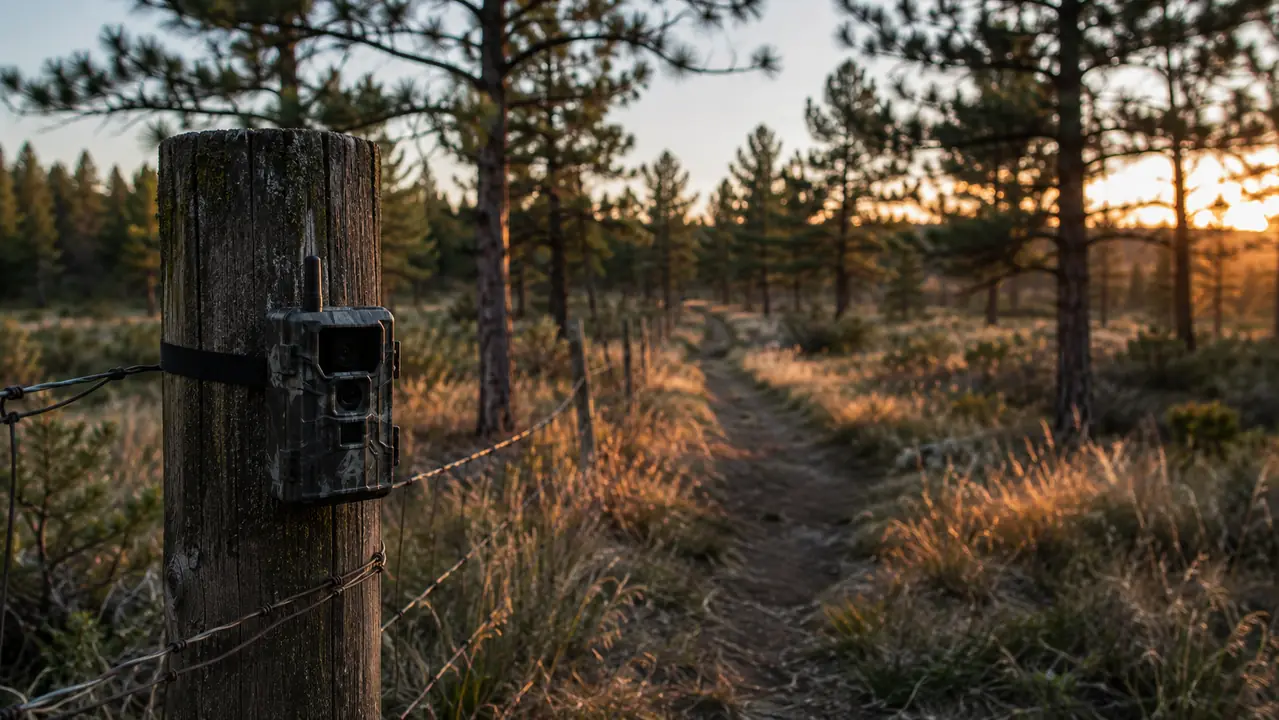
I have hunted mule deer out of Ogden long enough to trust sign over luck. Scrapes, rubs, and tracks in the mud all tell you a buck was there. None of it tells you when he will come back. That gap, between what sign shows you and what it hides, is where a trail camera earns its place in the truck bed. It does not replace boots on the ground. It makes the trips you do take count for more.
I have run a two-pack of WOSODA trail cameras for two seasons now, mostly on public land within an hour and a half of the house. Nothing about them is fancy. They are motion activated, waterproof against the wet Octobers we get along the Wasatch Front, and the night vision works the way it is supposed to. That is the point. Here are ten reasons to hang one, or two, before the next season opens.
One camera tells you where he was. Two tell you where he will be.
Two WOSODA cameras in one sealed pack, with night vision and a weatherproof housing you can hang in October rain and forget about until the card is full. That is what extra eyes on public land look like.
Amazon Check Today's Price on Amazon →It scouts the hours you cannot be there
Mule deer do most of their moving between dark and first light. You can glass a meadow until your eyes water at dusk and still miss the buck that crossed it at two in the morning. A trail camera does not need to sleep. Strap one to a fence post or a saddle and it logs every pass while you are home in Ogden, three days of movement in a handful of photos. You come back, pull the card, and read the night shift like a report. That is information you cannot get any other way short of living in the hills, and I can tell you, at fifty-eight, I am not living in the hills.
Time stamps turn sign into a schedule
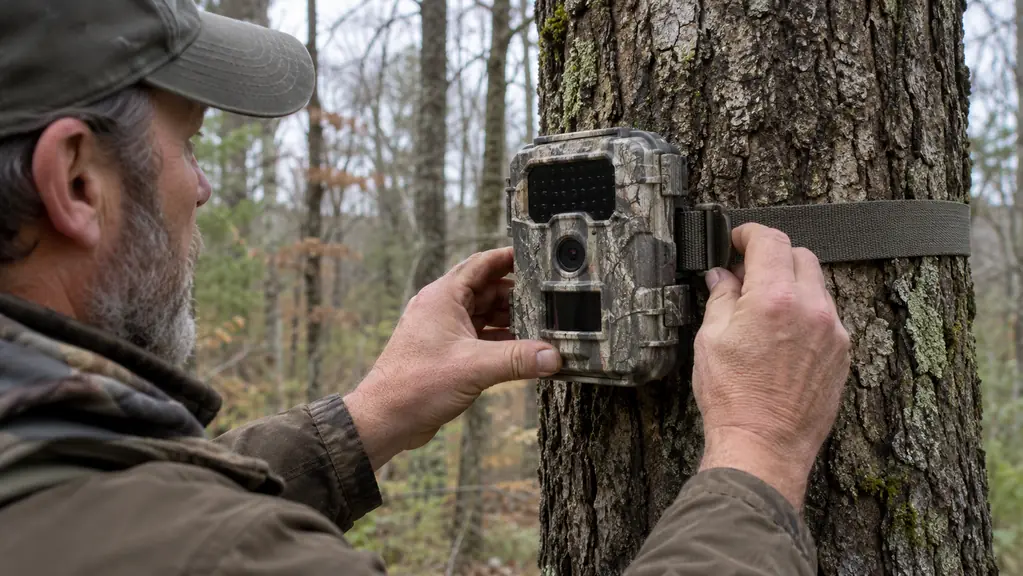
A scrape tells you a buck has been working a line. That is old news by the time you find it, sometimes a week old. The time stamp on the image tells you when he was there. Leave a camera on the same scrape for a week and you will see whether he hits it at 11 at night or 4 in the morning, and whether he comes every night or every other. That schedule decides where the stand goes. I have moved a stand two hundred yards on the strength of a time stamp and watched a good buck walk the line I set up for him.
It catches the deer you never lay eyes on
Some bucks simply do not show themselves. They move in the dark, bed in the thick stuff, and know the country better than you do. The camera does not care about any of that. It photographed a heavy three-by-three at 1:12 in the morning on a drainage I had walked four times in daylight without seeing him. Suddenly the deer I had talked myself out of was real, and I knew exactly which side of the ridge he was using. You can also learn he is not the deer you want, and save yourself from hunting a ghost all October.
It keeps your pressure off the ground
Every trip into a core area leaves scent and noise, and deer notice both. The camera lets you check a drainage without walking the whole bowl. You still have to go in to pull the card, but you do it once a week at midday, when the deer are bedded, instead of every other evening at prime time. Less traffic means the deer keep the daylight habits that make a rifle season work. The biggest mistake new camera owners make is checking too often. The camera is supposed to scout so you do not have to.
It tells you when the pattern breaks
A buck on a schedule is a gift, and then one week he goes off it. Without a camera you sit the same stand for days wondering what changed. With one, you know he shifted to the next drainage on Tuesday night, or that the cattle moved in, or that someone else hunted the point. That saves you from sitting on a cold stand while the action happens half a mile away. You move when the pictures say move, not when your patience runs out.
You see the whole herd, not just the buck
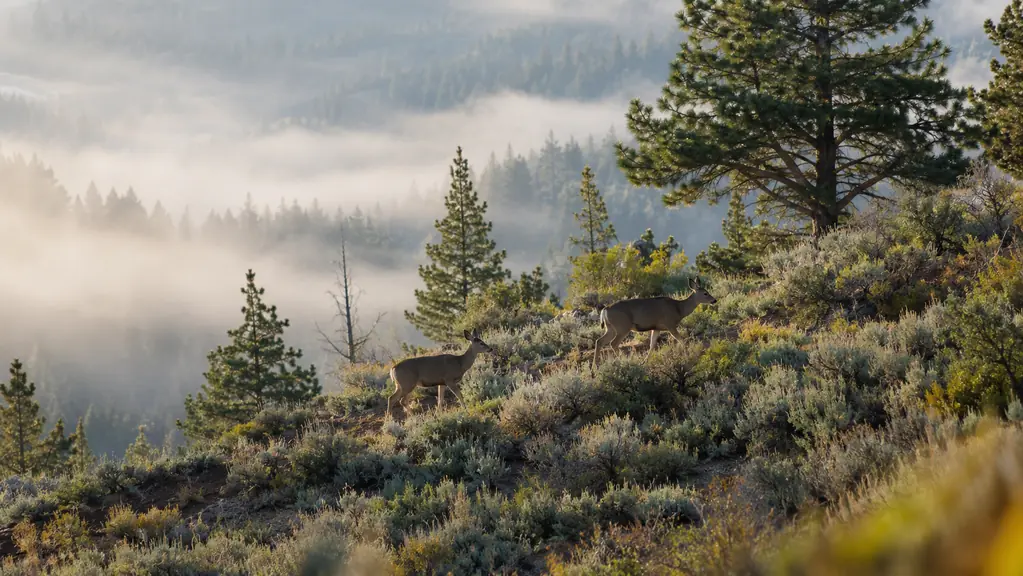
Those photos of does and young bucks, the ones you almost delete, matter more than you think. They tell you the herd made it through winter, what the buck-to-doe ratio looks like, and whether the fawn crop was strong. That shapes whether you take a doe tag and which unit you apply for next year. A camera gives you a survey of your ground that glassing never will, because glassing only shows you the animals that happen to move while you are watching.
It saves fuel and boot leather
Scouting public land is hard on a truck and harder on boots. The good sign is often a mile from the nearest two-track. With cameras, you cover the far drainages in the first two hours of an October morning, then spend the afternoon only where the pictures say there is a reason to be. My Tundra has 190,000 miles on it, and I would rather spend them pulling the boat to Willard Bay than burning them on guesses a camera could settle in a ten minute stop.
It builds a record across seasons
The memory cards in my drawer are next year's scouting report. If you label folders by date, you start to see the country the way the deer do: when the rut actually kicked in last year, when the bucks dropped to the lower benches, which crossings stayed productive all season. No notebook holds that much detail, and no memory does either, mine least of all. The camera does not forget October. Come July, when you are picking a unit for the draw, that record is worth more than any map.
The two-pack covers two ends of the story
Here is where the two-pack earns its keep. One WOSODA camera on the scrape line and one on the trail between bedding and feeding gives you the whole movement instead of one piece of it. Or run one in each of two drainages and let the deer tell you which one holds the better buck. Two cameras mean two sets of eyes on every card pull, and they ride in the same pouch one camera would fill. On public land, that second set of eyes is usually the difference between a tag filled and a story about the one that got away.
It catches the deer that doubled back
The deer you never see is often the one that matters. He circled behind you while you watched the meadow, or he crossed the ridge an hour after you climbed down from the stand. The camera does not get bored and does not look away. On more than one October, the buck that ended up on my wall was one I never saw in the field with my own eyes. I met him first in a photograph, on a card I almost did not bother to pull.
What I'd Skip
Skip the features you will never use. I do not need a cellular plan that sends photos to my phone, because the places I hunt do not have signal anyway, and I am not interested in a monthly bill to look at deer from the couch. I do not need 4K video of every raccoon that walks past at two in the morning. What I need is a clear still, a trigger that does not miss, and a housing that shrugs off a wet October. And if you are new to this, skip the single cheap camera and buy the two-pack. Two WOSODA cameras cover more ground from the first day, and two plain cameras have done more for my hunts than one loaded camera ever did.
I walked that drainage four times in daylight. The camera showed me the buck on the third night, moving at 1:12 in the morning.
Hang a camera before you burn another tank of fuel on a guess.
If you hunt public land within a few hours of home, the WOSODA two-pack is the cheapest extra eyes you will own this season. Set them, check them on Sunday, and let the deer tell you where to be.
Amazon See Today's Price on Amazon →