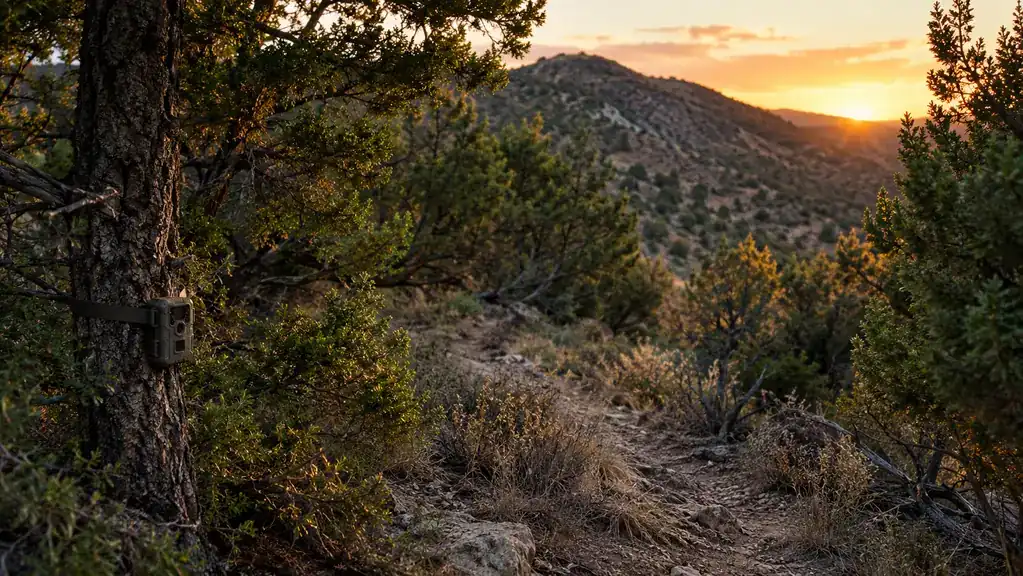
Three years ago I bought a two-pack of WOSODA trail cameras, mostly because I was tired of hiking into the same drainages without knowing what lived there. I hunt elk and mule deer on public ground east of Ogden, and I had done it for years on guesswork. A camera setup always felt like extra weight and batteries to babysit. Then a wet spring ruined my old camera, the kind that cannot handle moisture, and I finally understood that dead gear costs more than new gear. So I ordered the WOSODA two-pack and strapped one above the Weber River and one in a saddle between two canyons.
The saddle was the smarter place, and it taught me the first lesson. It is only a hundred yards wide, but it connects two big drainages, so it sees deer moving all day. I put the camera on a tree at the edge and aimed it across the trail. Nothing fancy. No plot, no bait, no mineral lick. Just a pinch point that deer had to cross to get from one canyon to the other. For the first two weeks the card was nearly empty except for does at night. I almost moved it. I am glad I did not.
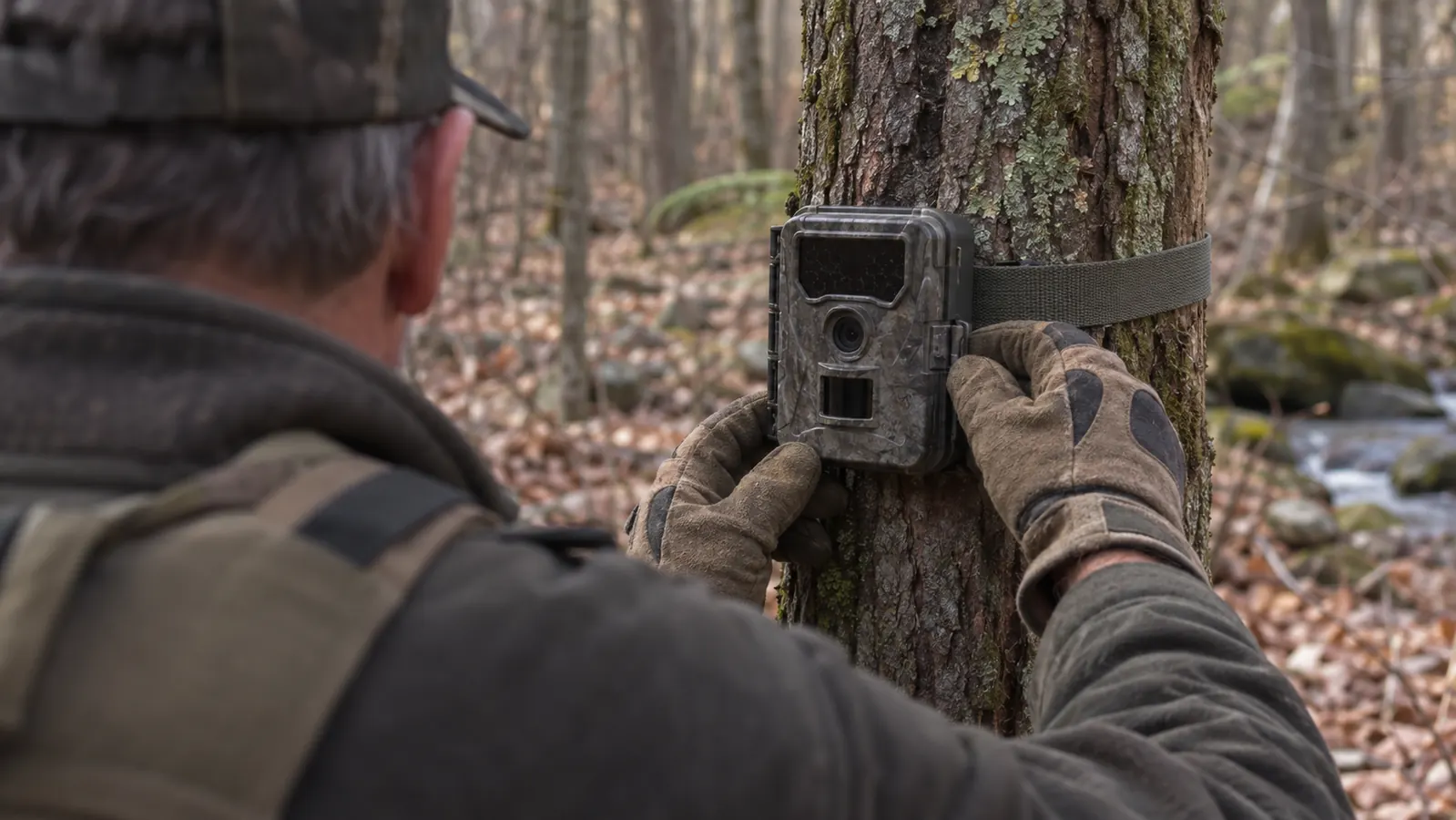
The change came on the third weekend. A buck showed up in the saddle at 2:14 in the afternoon, three days in a row. I had been sitting on a lower bench because it looked like classic deer country, and I had not seen a thing. The pictures told me the deer were crossing high, right through that pinch point, later in the day than I expected. I moved my stand that Saturday, and within two hours a buck crossed the saddle. I did not fill my tag that weekend, but I stopped hunting where deer used to be and started hunting where they were.
This was not magic and it was not hard work. It was one camera, one card, and the patience to leave it alone for three weeks. That changed my weekend trips more than any new rifle or boot ever did. Instead of driving home Sunday with nothing but guesses, I drove home with a list of places to check and times to be there. The mountain started making sense to me in a way it had not in twenty years.
The biggest change was not the pictures I got. It was the assumptions I stopped making.
Stop Guessing Where They're Moving
These two WOSODA cameras gave me eyes on two drainages at once, through weather that killed my old camera. See today's price and read what current owners say before your next scouting trip.
Amazon Check Today's Price on Amazon →Over the next two months I ran both WOSODA cameras hard. They stayed out through archery elk season in September and rifle deer season in October. One got soaked in a cold rain that lasted two days and it kept taking pictures the whole time. The night shots were clear enough to count antler points, and the time stamps lined up with what I saw when I hunted. I did have one issue. A spider built a web across the lens and the camera took a week of blurry close-ups. That was my fault for not checking the cards sooner.
What actually changed was my Friday evenings. I used to get to camp after dark, then wander out at first light hoping to run into something. Now I make a point to pull the card before I set up camp, even if that means a thirty minute hike in the dark. By morning I know which trail was used the night before and which direction the deer were traveling. It turns a blind search into an educated sit. That is worth more to me than any gear upgrade in years.
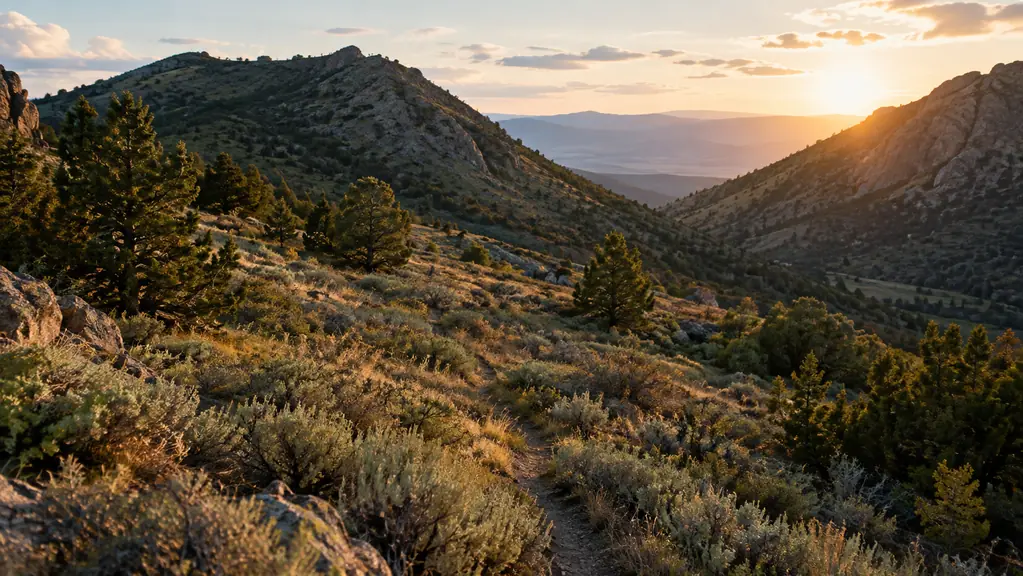
Another thing that surprised me was how much I learned from pictures of deer I never saw. On the rifle opener I pulled a card that showed a buck crossing in the dark just before five in the morning. I would have been in my stand by then, but I would have been watching the wrong side of the saddle. The time stamp changed where I looked.
Here is what you should know before you order. These are not cellular cameras. There is no app that sends you pictures while you are at work. You have to go to the camera and pull the card. For me that is part of the ritual and I like the walk. It also means the two-pack is only worth it if you have two places to watch. If you only have one spot, a single camera would do the same job.
When I finally pulled the cameras in late November, I had a month of photos on each card. I sat at the kitchen table and went through every shot. It was like reading a diary of the whole season. I saw which bucks survived the rifle opener, which trails stayed active after the first snow, and where I should start next fall. That alone made the cost of the two-pack easy to swallow.
What I'd Tell You If We Were Sitting at My Kitchen Table
I would pour you a cup of coffee and tell you this. Most of what a trail camera does happens between trips, not on the trail. You are really buying the ability to walk into the dark at five in the morning and know something is using that ridge. The WOSODA two-pack did that for me through a wet fall and a dry one. It will not hunt for you. It will not turn a bad spot into a good one. But it will make the hours you actually have count for more, and that is the whole point.
Put Eyes on Two Places This Season
If the same problem sounds familiar, the WOSODA two-pack is worth a look. Read what current owners say and decide for yourself.
Amazon Check Today's Price on Amazon →