
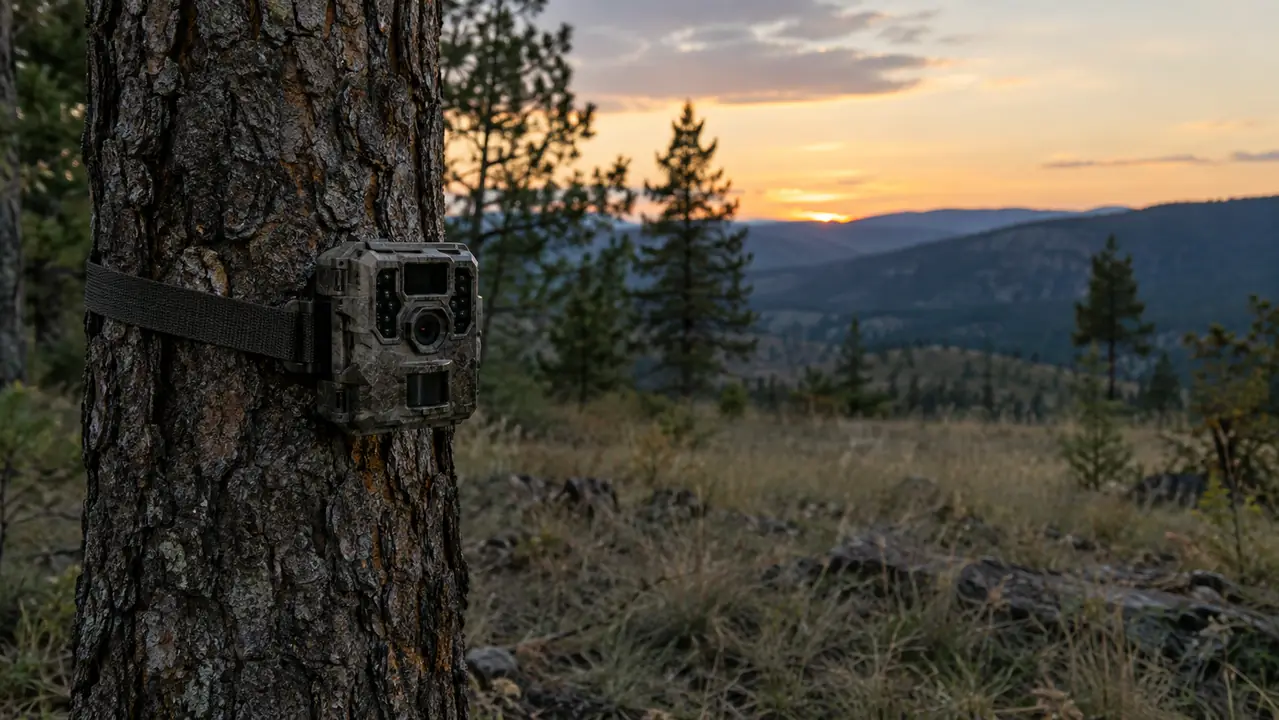
I have been running a pair of WOSODA trail cameras since mid-October, and I have not treated them gently. They have sat through snow, sideways rain, and one December night when the temperature dropped to minus 8. One camera lived above the Ogden River drainage and the other spent the hardest months in the cold brush along the Weber. Together they caught elk, mule deer, coyotes, and a fox, and they also caught a thousand photos of moving grass.
If you hunt the same public land I do, you already know that scouting is half the battle. You want a camera that wakes up fast, takes a good night picture, and does not eat batteries at a ridiculous rate. You also want a camera that can survive being thrown into the bed of a 2016 Toyota Tundra with 190,000 miles on it. This review is about whether the WOSODA two-pack handled that job for six months.
The Quick Verdict
A dependable two-pack for close-in scouting, with cold weather battery drain and a few small quirks that are easy to work around.
Amazon Check Today's Price →The WOSODA Two-Pack Earned Its Place in My Gear Bag
If you want a pair of trail cameras that fire when a deer steps into the lane, take decent night photos, and survive a season without costing a fortune, this is the one I keep recommending to hunting buddies.
Amazon Check Today's Price on Amazon →How I've Used It
The first camera went on a north-facing ridge above the Ogden River, about a mile from the nearest road. I strapped it to a dead pine at stomach height, aimed down a trail where I had watched a four-point mule deer during archery season. The second camera went into the low brush near a spring on the Weber River. That location was colder, wetter, and harder on gear, so I treated it as my stress test.
I ran both cameras on eight Energizer lithium AA batteries and 32GB SanDisk cards. Each camera was set to take three photos per trigger, then wait sixty seconds. I checked cards every two to three weeks and replaced batteries when the meter dropped below a third. Over six months I pulled roughly 4,300 still photos and around 300 short video clips.
Before they went outdoors I spent an hour at the kitchen table learning the menu. I set the clock, date, sensitivity, and video length. That practice paid off on a cold ridge when a group of does crossed in front of the camera and I did not have to touch it. The menu buttons are small but they work with light gloves on.
Daylight Performance and Trigger Speed
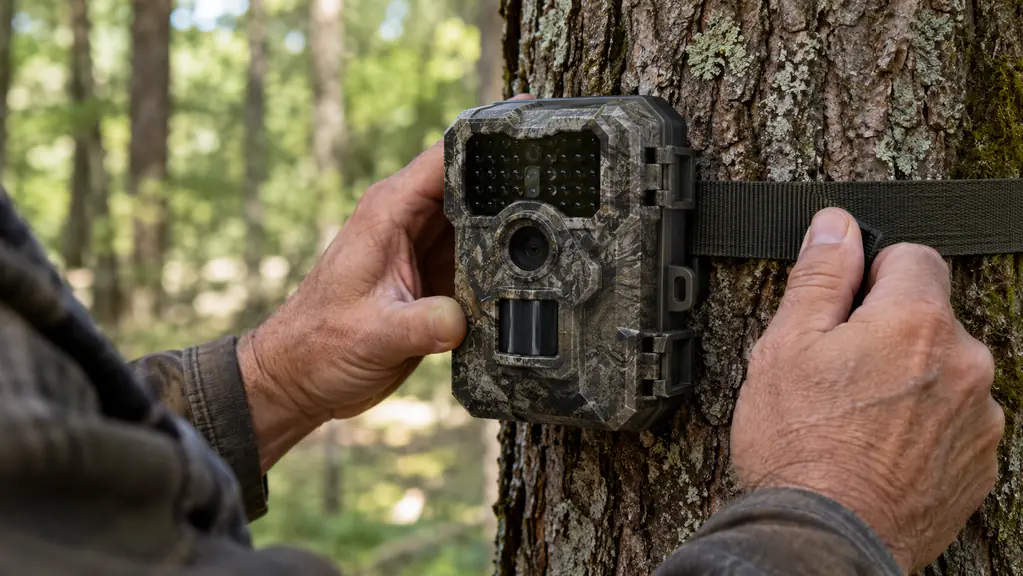
A slow trigger is the quickest way to waste a card. I tested the WOSODA in my yard before I trusted it in the field. I walked across the sensor area at a normal stride, and the camera caught me on the first step every time. In the high country it never missed a deer stepping into the lane, and the only empty frames I got were from moving grass and a spider web.
Daylight image quality is good enough to tell one deer from another. I can zoom in on a photo and count the points on a buck at forty yards. The 90 degree field of view is about right for a trail, and the camera burns a time and date stamp into every image. The temperature display stayed within two degrees of my truck thermometer all fall.
The menu is basic, which I mean as a compliment. There is a photo mode, a video mode, a time-lapse mode, and a sensitivity setting. I found the adjustments easy to make with light gloves on. Once I backed the sensitivity from high down to medium, my false triggers dropped by more than half. A little time reading the manual saves a month of sorting through blank photos.
One example sticks with me. On Thanksgiving morning, the ridge camera had a sequence of 21 photos of a six point buck walking the same trail I had hiked two days earlier. The photos show the buck's left ear tag, which was enough for me to know it was the same deer I had seen in October. A camera with a slow trigger would have given me one blurry frame instead of a usable sequence.
Night Vision and Low Light
Budget night vision is usually where a trail camera lets you down. The infrared light on the WOSODA throws a usable beam out to about 65 feet. I paced that distance across an open flat one evening, set up a paper target, and walked back toward the camera. At 65 feet the target was clear, and at 80 feet it was soft. That is enough range for the trails I hunt.
The camera switches to black and white at night, which is standard for infrared. In the photos I pulled, I could make out the rack shape on every deer that came within 50 feet. On one January clip a fox paused right in the IR beam before moving on, which tells me the light does not scare animals as much as you would think.
Videos record sound, so I heard coyotes working the ridge and the squeak of snow under hooves. The audio is not studio quality, but it is enough to know what is around you. That detail helped me decide where to sit for rifle season and made the cold months scouting less boring.
If you run this camera on video mode, remember that it records with no audio filter. The wind and distant road noise come through, but so do the sounds that matter. The night I heard a coyote pack start to yip below the ridge, I knew the camera had caught it before I even pulled the card. In February I pulled a clip of a bobcat crossing a log at 2:14 AM, clear enough to see the black tips on its ears. That is the kind of detail that tells you the IR range is not just a number on the box.
Battery Life in the Cold
Here is the honest picture. The ridge camera caught afternoon sun and ran for 81 days on its first set of eight lithium AAs, then still showed about a third of a charge when I pulled it down. The river camera sat in deep shade next to moving water, and the same batteries went flat after 19 days in December. Cold, damp air drains these cameras far faster than I expected.
I tried one set of cheap alkaline cells in November and they were dead in nine days. Lithium is not optional in this camera. The WOSODA does have a port for an external 12 volt battery, which is the right answer for a unit in a shaded creek bottom. I did not use that port this year, but next winter I will.
My checking schedule changed because of this. Instead of going to the river camera every two weeks, I went every week in December. That is easy when the camera is an hour from my house, but it would be tough on a long wilderness hunt. Plan your battery visits around the weather, not the calendar.
Do not trust the on-screen battery meter once temperatures drop below 20 degrees. In late December the river camera showed a full battery on the meter one afternoon, then stopped firing that same night. I pulled the card and found the last photo was at 9:11 PM. After that I treated the meter as a rough guide and changed batteries by the calendar in deep winter.
Mounting, Moisture, and Long Term Wear
The factory strap is the first thing I replaced. It is thin, and after a windy three-day stretch on the Wasatch it stretched enough to let the camera slide a few inches down the tree. I switched both units to one-inch nylon webbing with a stainless buckle. It is a twenty minute job, and I recommend doing it before the camera ever goes into the woods.
Moisture is the more serious concern. After a late November storm blew rain sideways against the river camera, I opened it to find a little condensation behind the battery door. The camera kept working and the battery contacts cleaned up fine. Now I mount the camera with the battery door angled down and I keep a small silica gel pack inside the compartment. I have not seen moisture since.
After six months, the camera bodies themselves have held up well. The gaskets around the lens, buttons, and SD card slot kept water out during normal rain and snow. The weak point is the battery door, not the rest of the housing. Treat this as a water-resistant camera, replace the strap, and it will give you a long season.
The little things have held up too. The latch on the battery door still clicks closed, the IR LEDs all still fire, and the menu buttons have not gotten sticky. The loop that holds the security cable is molded to the body and shows no cracks. For a camera that spent six months outdoors, that kind of everyday durability matters as much as the big specs.
What I Wish I Had Known on Day One
Set the sensitivity to medium before you mount the camera. On the high factory setting, I collected more than two hundred photos of a squirrel that lived in a nearby oak, plus a spider web that appeared in fourteen images on one afternoon. That is wasted card space and wasted time at the tailgate. Medium still caught every deer I wanted.
Think about the sun before you choose a tree. I put the ridge camera facing west for the first week, and every evening photo was washed out with glare. After I swung it ninety degrees, the daylight shots stayed sharp through golden hour. It is an easy mistake to make on a bright afternoon.
Label your SD cards before they go in the camera. I used a marker to write the location and date on each card, which saved me when I had four cards in my vest after a big check. It sounds like common sense, but in November it kept me from mixing up sets of images.
What I Liked
- Solid 65 foot infrared range at night
- Fast, dependable trigger in daylight
- Simple menu that works with gloves on
- Two cameras in one order lets you scout two spots
Where It Falls Short
- Battery life drops sharply in cold shade
- Thin factory strap should be replaced
- Battery door can build condensation after heavy rain
- No cellular option for live photos
The ridge camera ran 81 days on one set of lithium AAs. The river camera, sitting in deep shade next to running water, was dead in 19.
Who This Is For
The WOSODA two-pack is for the hunter or fisherman who wants two dependable cameras in the woods without paying a premium for a big brand name. It suits someone checking cards every few weeks who does not mind swapping batteries in deep winter. If your scouting spots are close to the truck and your goal is knowing when deer move at first light, this camera will do that job.
It is also a good fit on private property, where theft is less of a worry and reliability matters more. The standard mounting base works with any generic lock and cable, and the camera is light enough to carry in a daypack. For about what one big-brand camera costs, you can cover two spots with this pair.
I am not a gear collector. I need tools that survive being thrown into the bed of my Tundra and forgotten for a couple of weeks. The WOSODA cameras fit that role, especially after I upgraded the straps and added a dry pack to the battery door.
Who Should Skip It
Skip this camera if your spots are a long, steep hike from the truck and you can only get in once a month. The battery drain in cold shade makes that risky, and a camera that stops firing in January means you have lost weeks of intel. For that job look at a model with better cold weather efficiency or an external battery from day one.
Skip it if you need live photos on your phone. The WOSODA is not a cellular trail camera, so you have to pull the card every time. If you are checking a distant piece of public land and cannot afford to make a special trip, a cellular camera is worth the difference. This two-pack is for close work, not remote monitoring.
Finally, skip it if you want a zero maintenance camera. Like every camera in this class, it needs lithium batteries, a sensitivity adjustment, and an occasional wipe down. No trail camera runs forever with no attention. If you expect that, you will be disappointed no matter what you buy.
Six Months Later, Would I Buy It Again?
Yes. I would buy the same WOSODA two-pack for anyone who scouts within an hour or two of home and does not need cellular alerts. With better straps and a dry-bag routine, it held up through the hardest months of the year.
Amazon Check Today's Price on Amazon →